A battered copy of “In the Heart of the Seas,” rescued from anti-Semitic riots in Germany, was returned to its author, S.Y. Agnon, with a letter telling the incredible story of its survival

The alternative currencies set up by the Nazis in ghettos and concentration camps across Europe served to establish a false sense of “normalcy”.
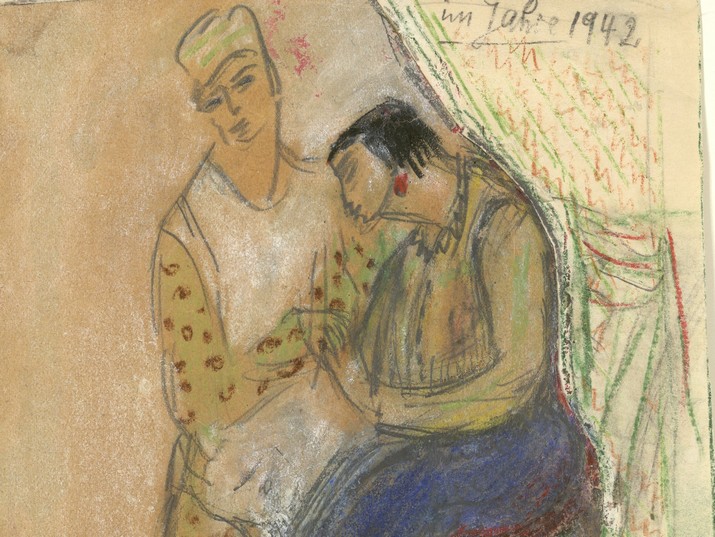
Since 1974, Lasker-Schüler’s artistic estate has been preserved at the National Library of Israel
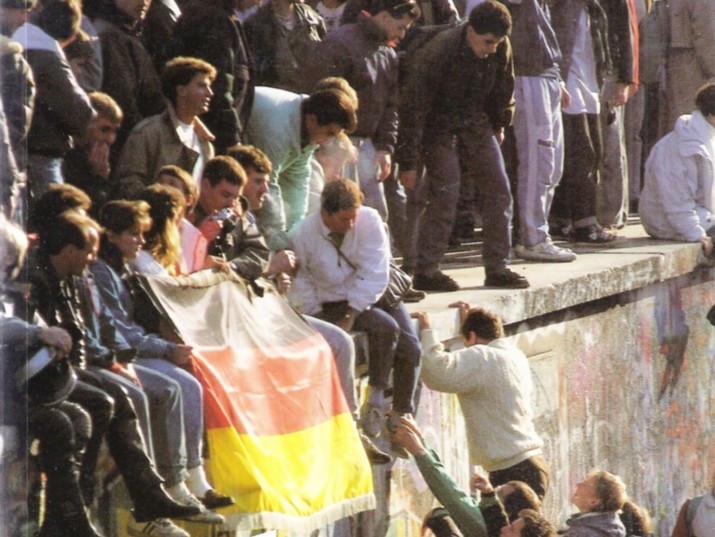
The partitioning of Germany into occupied areas was, in effect, the beginning of the political division of the state which endured until 1989. Each of the Allied powers advanced its interests in the area under its control
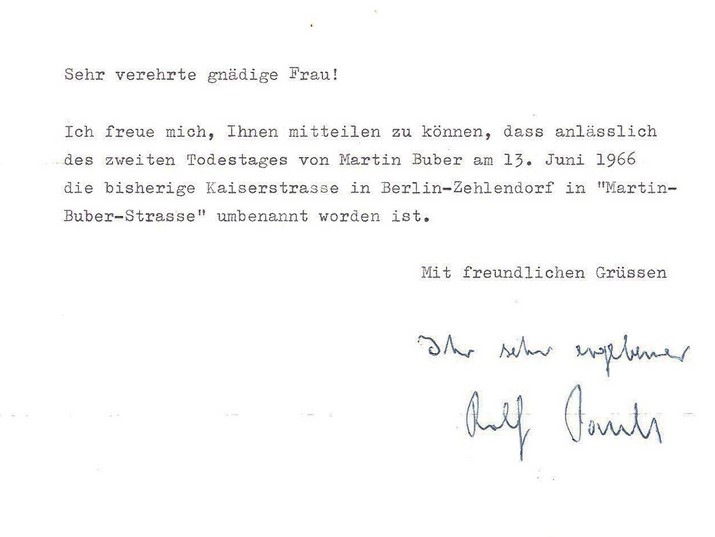
Some of the Israeli public opposed the establishment of relations
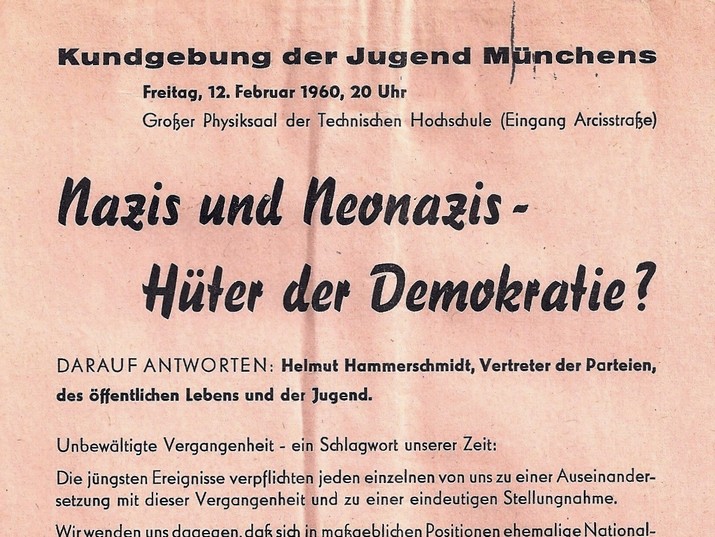
“It is impossible to define anti-Semitic activity as a prank. It is directed not only against the Jewish citizens who live with us, but against the basic rights of our country. What is called for is not punishment, but education!”
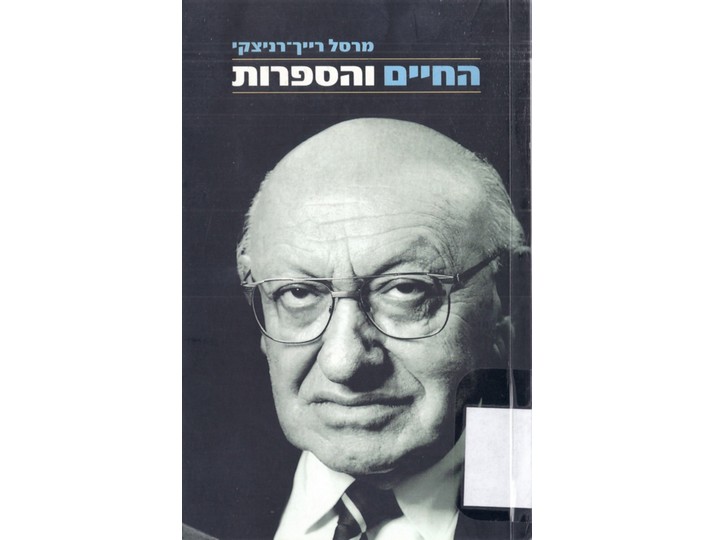
Reich-Ranicki (1920-2013), a Polish-born Jew and Holocaust survivor, was the preeminent authority in modern literary criticism in Germany

At the beginning of 1960, Israeli and West German leaders decided that it was time for a certain détente. This took the form of an official meeting between the two head statesmen: David Ben Gurion and Konrad Adenauer
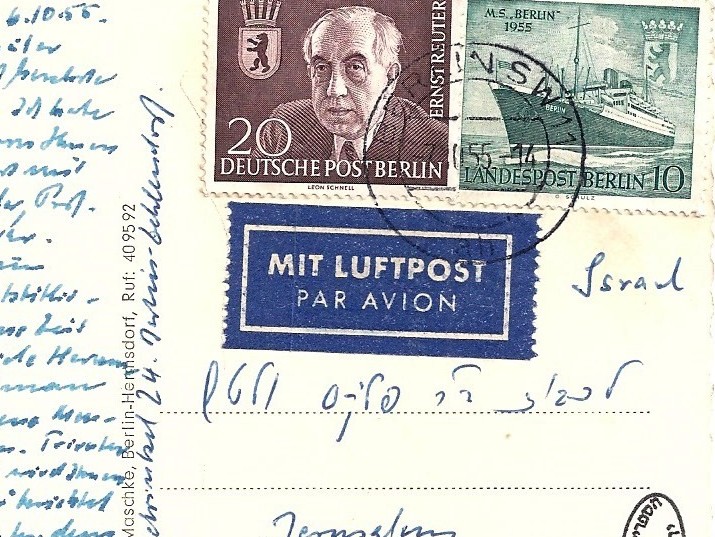
Who was Curt Wormann? What was he doing in Germany just ten years after the end of the war? And who was Felix Weltsch?
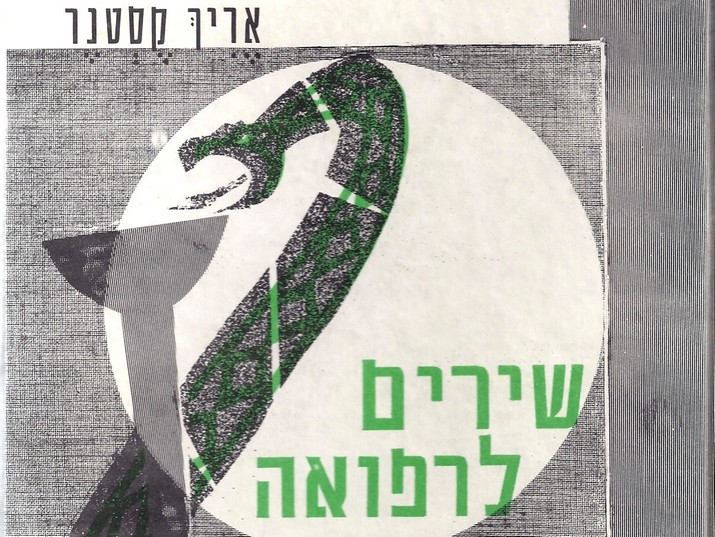
Kästner sympathized with the Zionist idea and even visited Israel a number of times. Some of his books were translated into Hebrew already in the 1930s