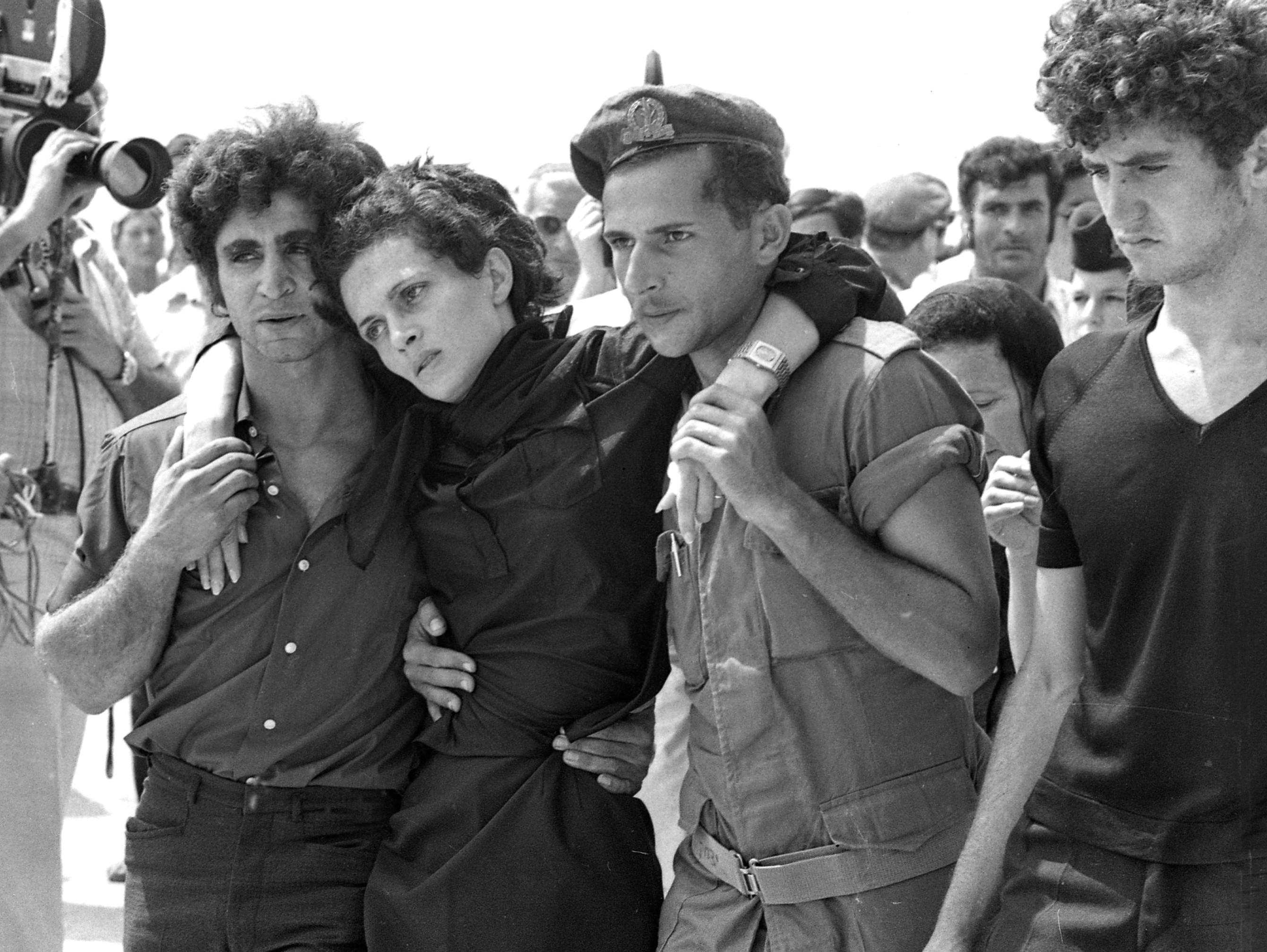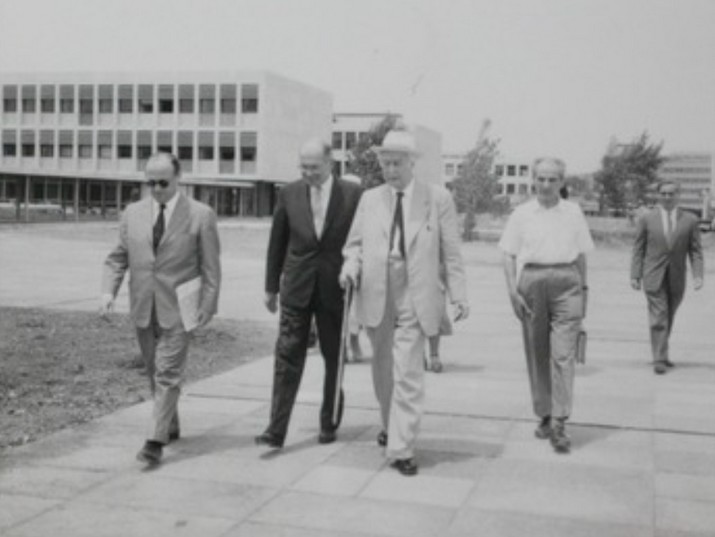
“The Germans must not forget what was done during these shameful years. […] Nobody, absolutely no one, will relieve us from that shame.”
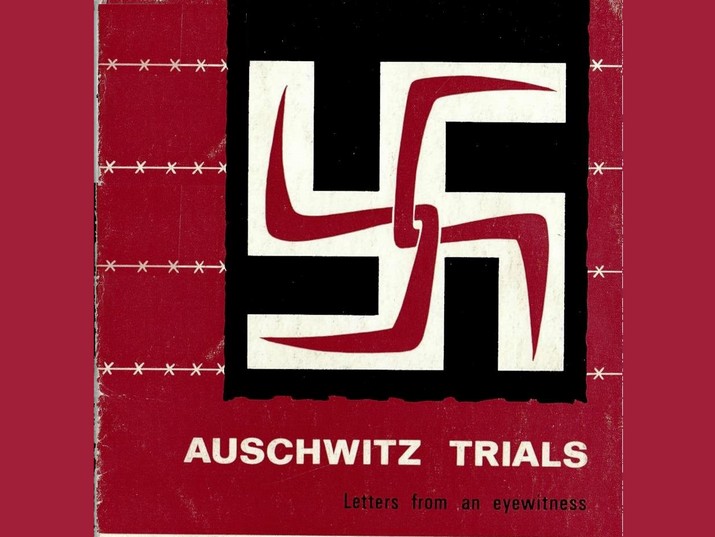
In keeping with the legal interpretation accepted at the time in Germany, there was a statue of limitations on every act of Nazis against Jews and against people with anti-Nazi views, with the exception of murder. Through these documents, it was possible to connect concrete murder cases with concrete people, enabling a legal investigation against the perpetrators.
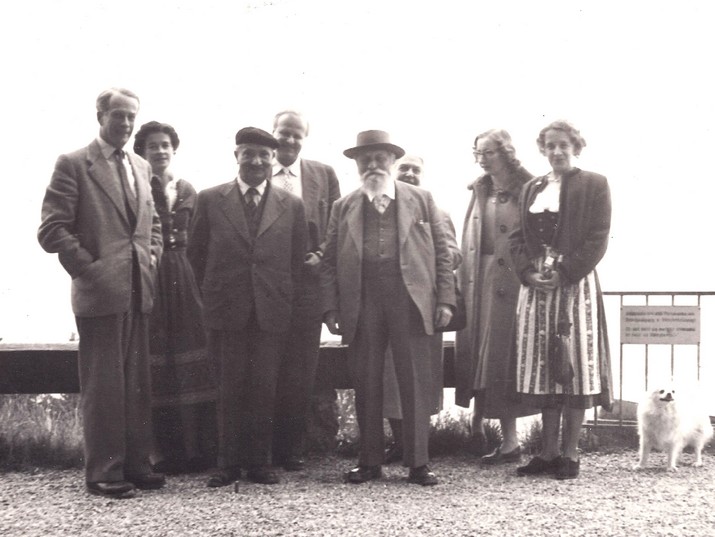
For over fifty years, hiding away in the Mordechai Martin Buber’s archives was a series of photographs in an envelope, labeled: “unidentified.” Did the hand that wrote this, and chose to archive these photos, do so intentionally, out of a fear of the visual representation, the unequivocal and patently clear proof of the friendly meeting between Buber and Martin Heidegger? And why did this meeting become a fact that needed to be played down, if not enshrouded in a fog of uncertainty?
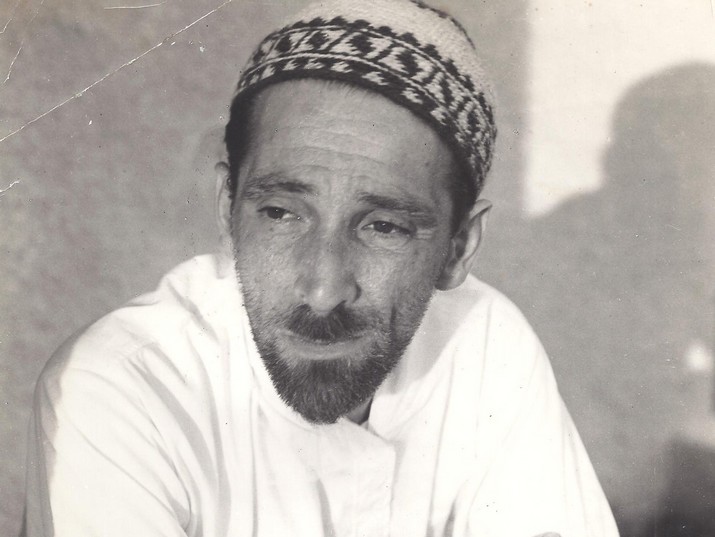
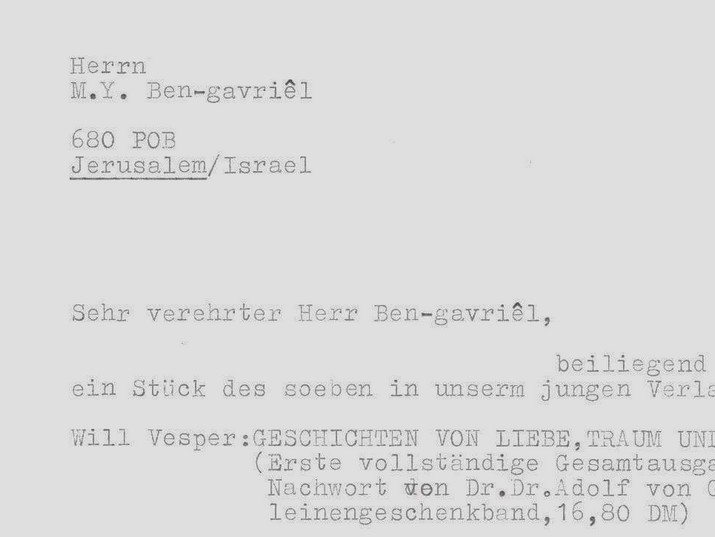
Among the letters preserved in his personal archive in the National Library one can find correspondences with individuals in Germany discussing the question of establishing diplomatic relations between the two countries
During those years, an underground organization of activists from the radical German left was established, which operated against the West German government by carrying out a long series of terrorist acts, kidnappings, hijackings and robberies
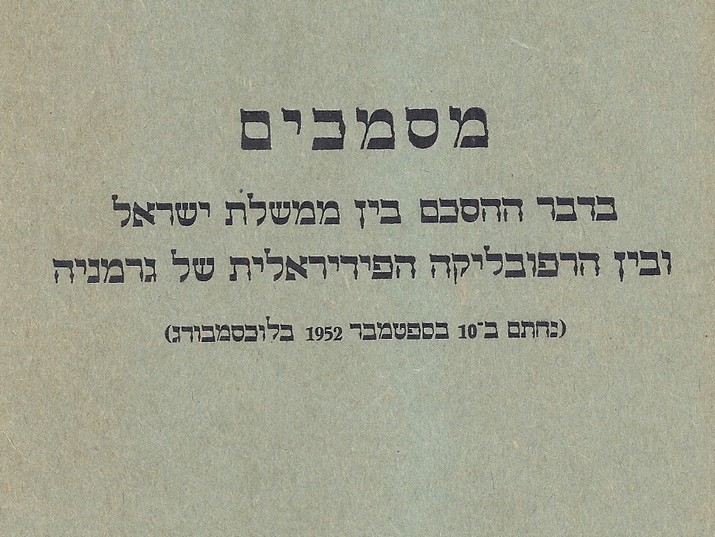
Not only did many German citizens have reservations about the agreement-in-process. Considerable portions of the Israeli public were also unprepared to accept neither the very concept of negotiations with Germany nor the funds from the “land of the murderers,” which was defined by opponents as “blood money.”
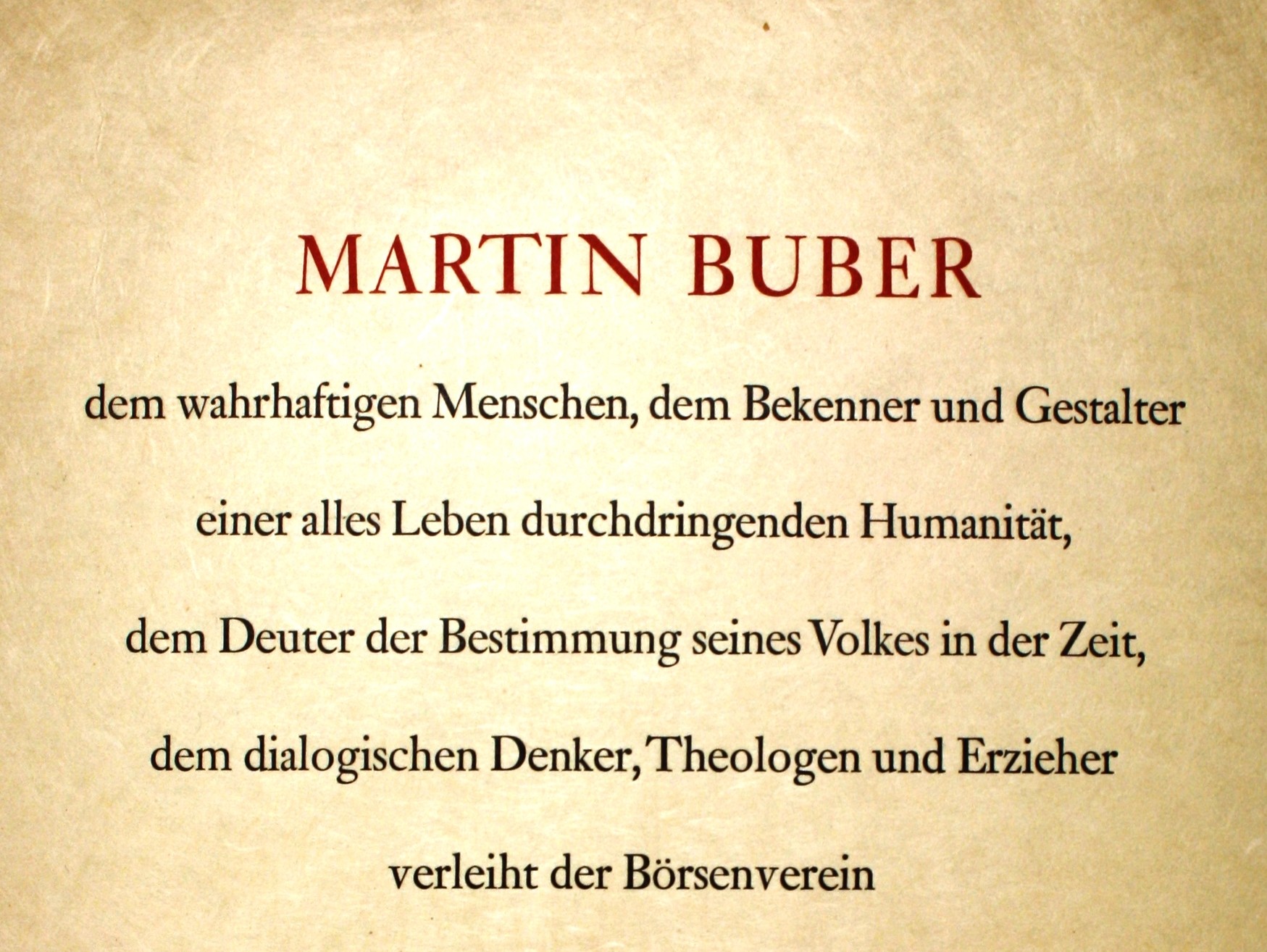
Buber’s winning the prize made many waves in the German media, and it can be assumed that the event was a paving stone in the path to the establishment of official relations between West Germany and Israel
The incidents in the various events that were part of “German Culture Week” proved just how complex – over 40 years ago – the encounter was between German artists and the Israeli public
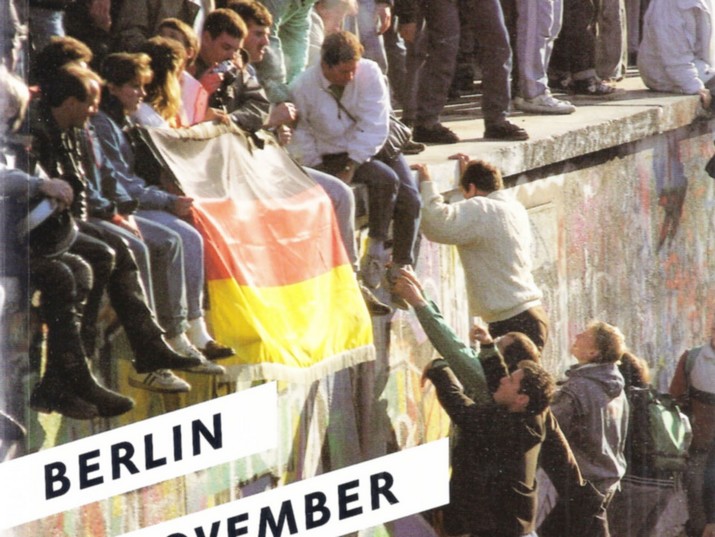
After the wall was constructed, the East German population was trapped inside its country. Trips abroad were possible only to Communist Bloc countries