All rights reserved – The National Library of Israel 2017 ©
Land of Israel
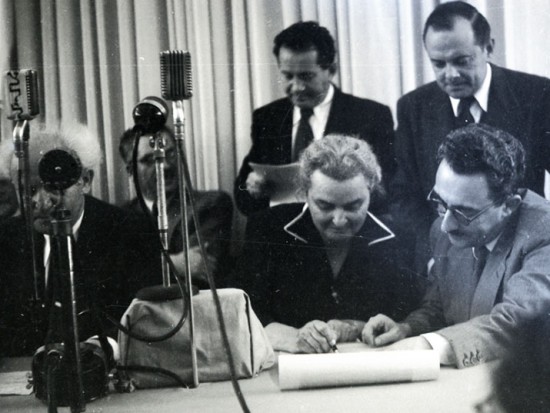
Rachel Cohen-Kagan was one of the most prominent activists for the advancement of women’s rights in the young State of Israel. Her efforts led to her being among the signatories of the Declaration of Independence
To receive our stories directly in your inbox
Subscribe
Diaspora
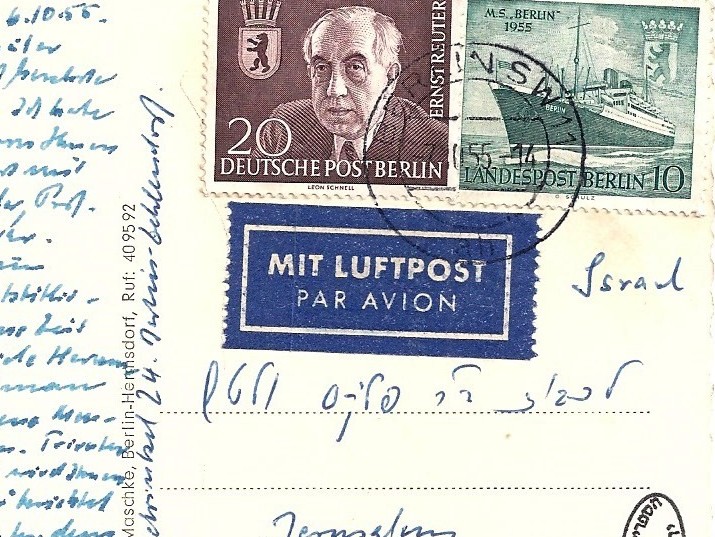
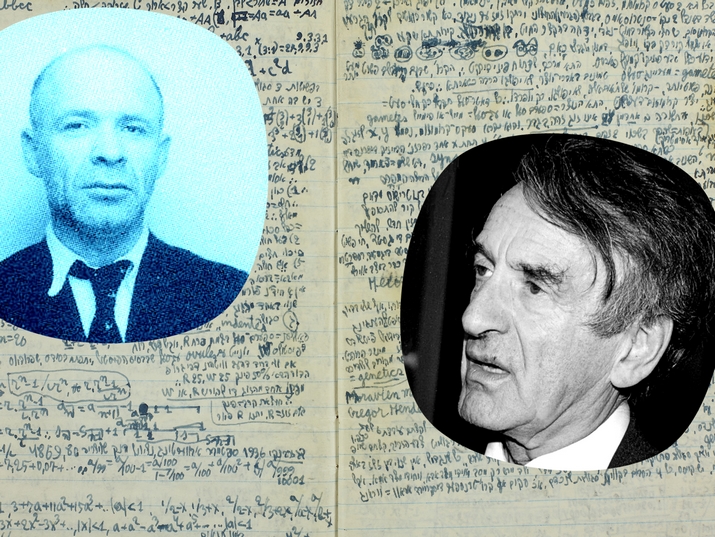
Who was Curt Wormann? What was he doing in Germany just ten years after the end of the war? And who was Felix Weltsch?
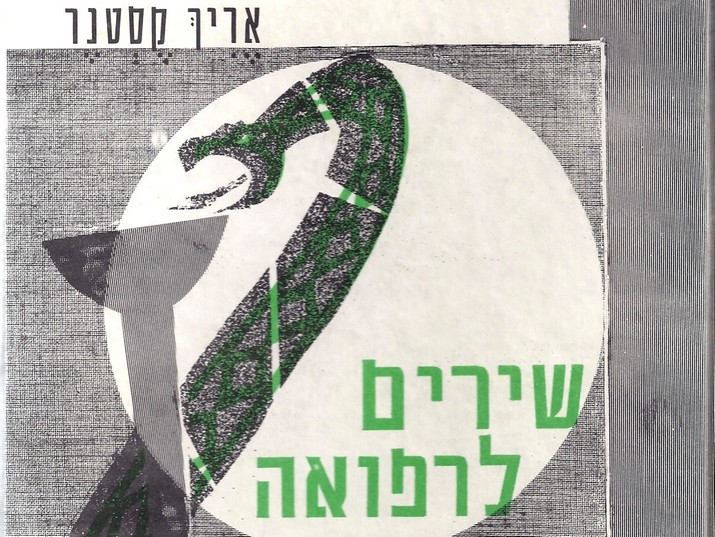
Kästner sympathized with the Zionist idea and even visited Israel a number of times. Some of his books were translated into Hebrew already in the 1930s
“The Germans must not forget what was done during these shameful years. […] Nobody, absolutely no one, will relieve us from that shame.”
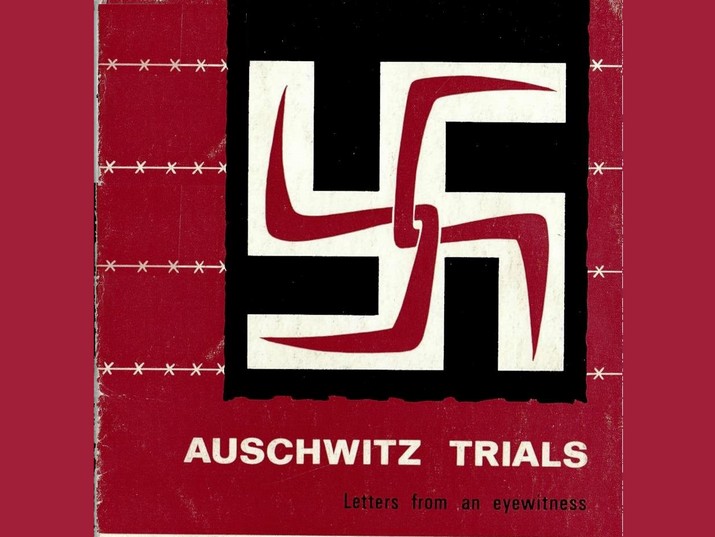
In keeping with the legal interpretation accepted at the time in Germany, there was a statue of limitations on every act of Nazis against Jews and against people with anti-Nazi views, with the exception of murder. Through these documents, it was possible to connect concrete murder cases with concrete people, enabling a legal investigation against the perpetrators.
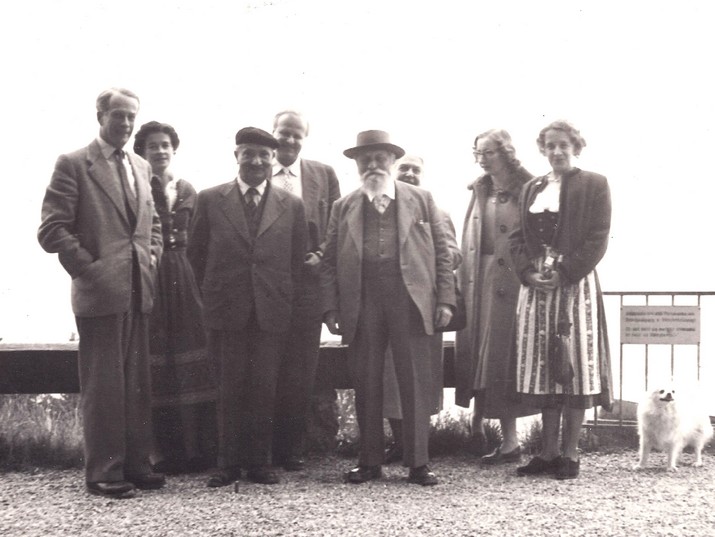
For over fifty years, hiding away in the Mordechai Martin Buber’s archives was a series of photographs in an envelope, labeled: “unidentified.” Did the hand that wrote this, and chose to archive these photos, do so intentionally, out of a fear of the visual representation, the unequivocal and patently clear proof of the friendly meeting between Buber and Martin Heidegger? And why did this meeting become a fact that needed to be played down, if not enshrouded in a fog of uncertainty?
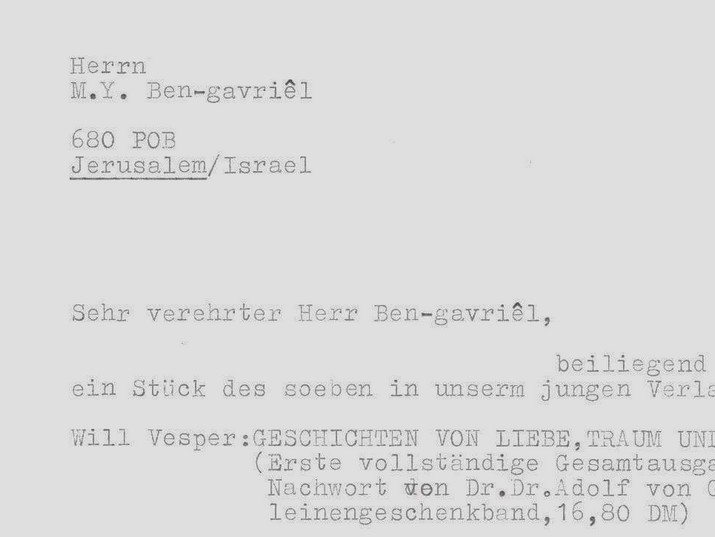
Among the letters preserved in his personal archive in the National Library one can find correspondences with individuals in Germany discussing the question of establishing diplomatic relations between the two countries
During those years, an underground organization of activists from the radical German left was established, which operated against the West German government by carrying out a long series of terrorist acts, kidnappings, hijackings and robberies
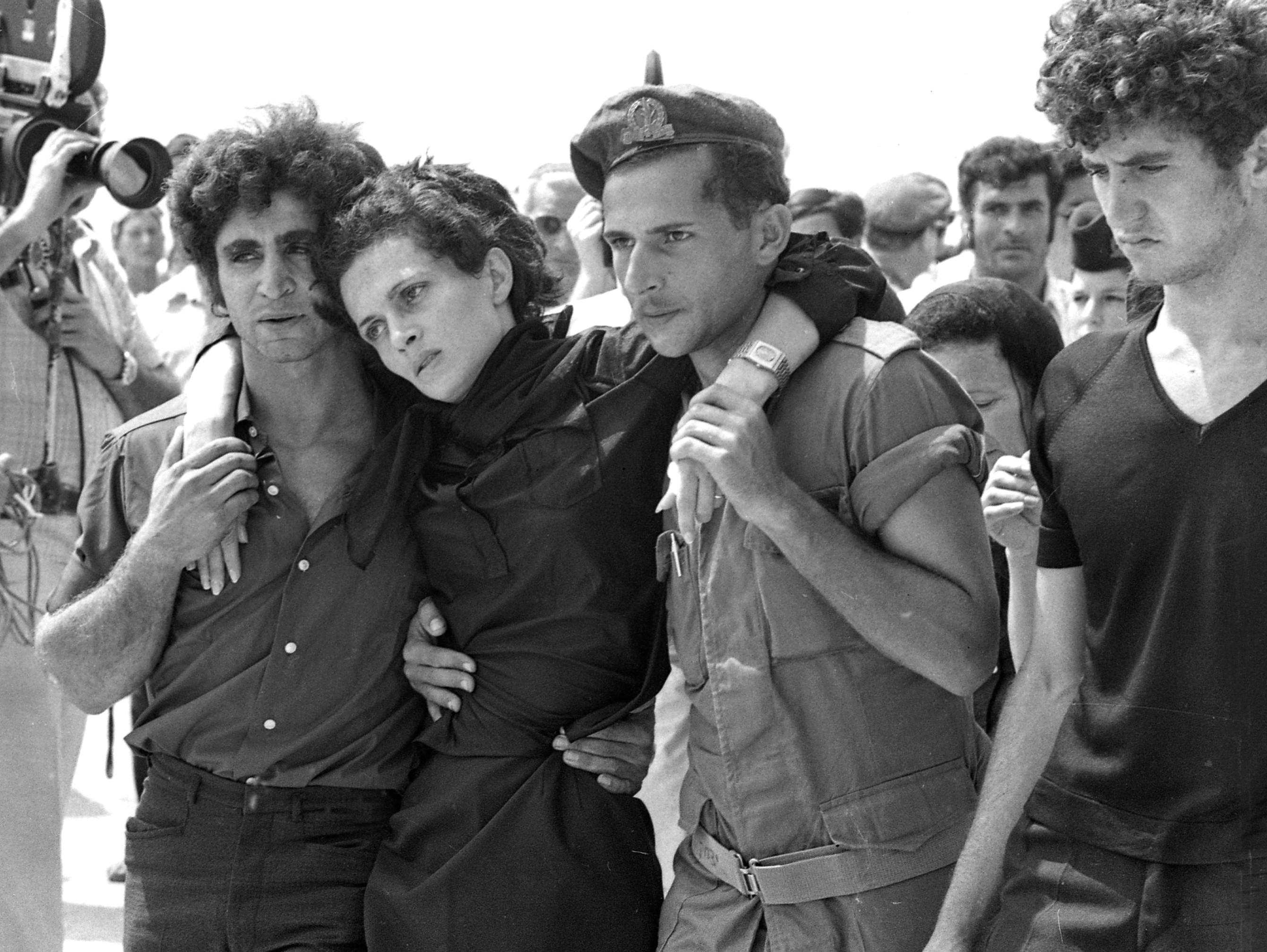
Massacre of the Israeli Athletes on German Soil
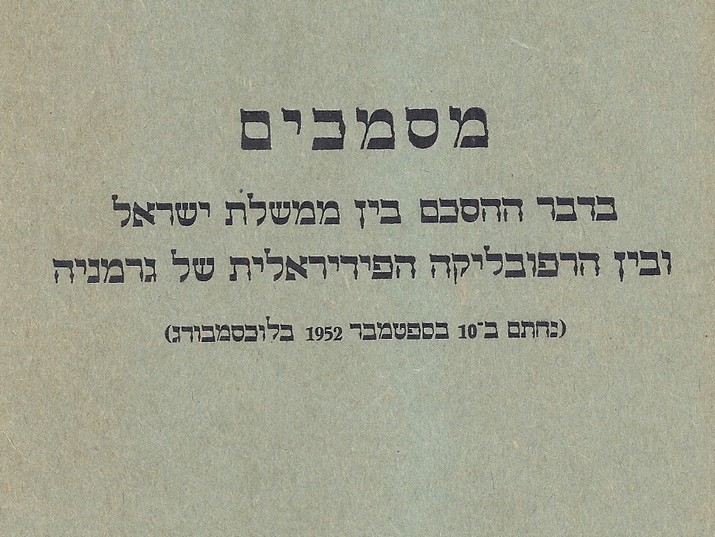
Not only did many German citizens have reservations about the agreement-in-process. Considerable portions of the Israeli public were also unprepared to accept neither the very concept of negotiations with Germany nor the funds from the “land of the murderers,” which was defined by opponents as “blood money.”
Printing of a Jewish book in 1551 caused religious strife and turmoil all over Italy
Sender
Email address
Enter your e-mail below to receive the most interesting, quality content about the treasures preserved in the National Library!
Just write the the next story
Your e-mail has been submitted